
Transparency or Diaphaneity is a property of the substance to transmit light, or, in other words, the ability of a stone to allow light to pass through it in varying degrees.
The amount of absorption of light by a gem varies from a very small fraction absorbed in transparent stones such as diamond, to almost complete absorption by black jet. Thus, if light were allowed to pass through a gemstone without any distortion or absorption, it would be termed a perfectly transparent stone.
Transmission of light depends upon:
- The structure of the stone.
- Colour: Deeply colored stones will pass less light than lightly coloured ones.
- Thickness: Thicker stones will allow lesser transmission than thinner stones.
- The presence or absence of imperfections and inclusions.
The degree of transparency of a gemstone is roughly classified as follows:
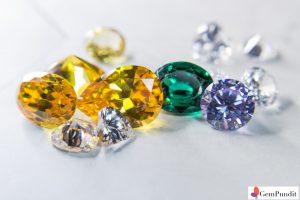
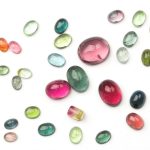
- Transparent (Tp): An object viewed through the stone appears with sharp, clear and distinct outlines, e.g. finest qualities of diamond, corundum, beryl, etc.
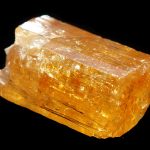
- Semi-Transparent (S-Tp): The viewed object appears blurred with not so clear and distinct outlines even though a considerable amount of light is transmitted, e.g. finer qualities of jade, corundum, quartz, etc.
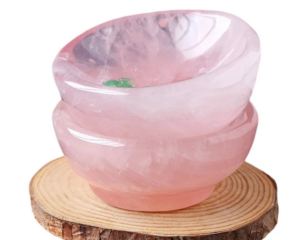
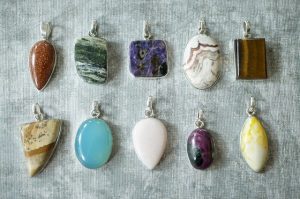
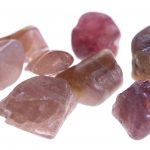
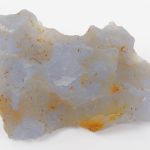
- Translucent (Tl): The object cannot be viewed through the stone but some amount of light is transmitted e.g. chalcedony, moonstone etc.
- Semi-Translucent (S-Tl): Slight light transmission is seen through thin sections or the edge of the stone e.g. onyx, obsidian, chrysoprase etc.
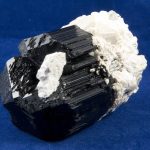
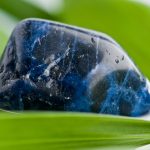
- Opaque (Op): No light can pass through the stone. In the strictest sense, these are mainly those substances such as pyrite, hematite etc. Since any other substance in thin sections transmits some light. When cut in ordinary thickness gems such as black chalcedony, lapis lazuli etc. are opaque.

Leave a Reply
You must be logged in to post a comment.