Inorganic Gemstones

Sagenitic Quartz

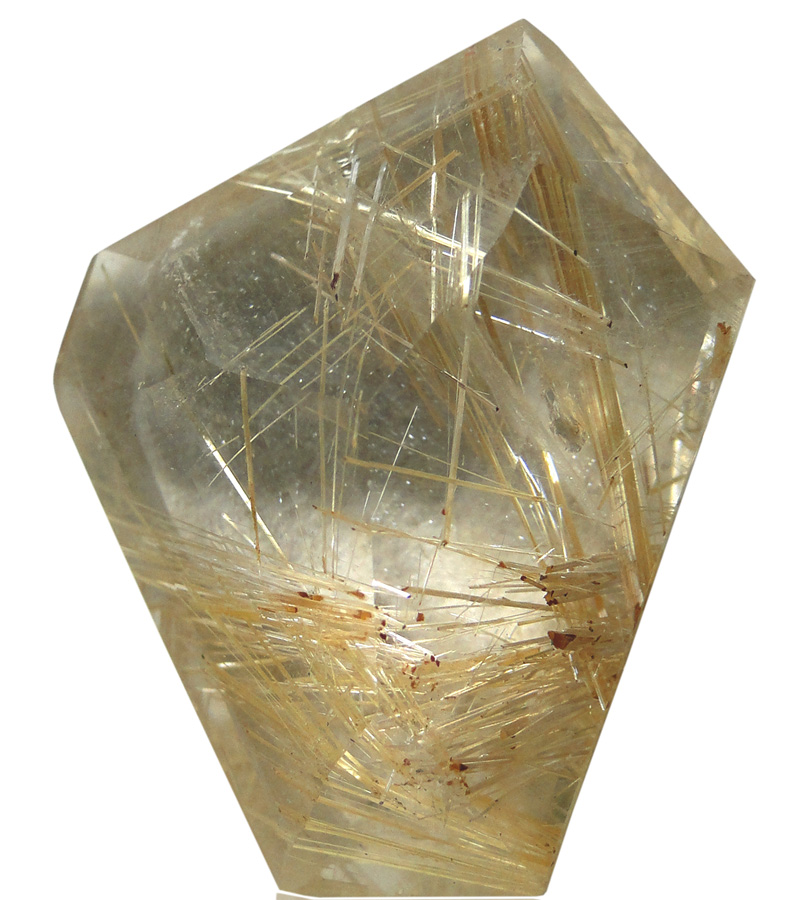
Pear shaped rutilated quartz pendant.

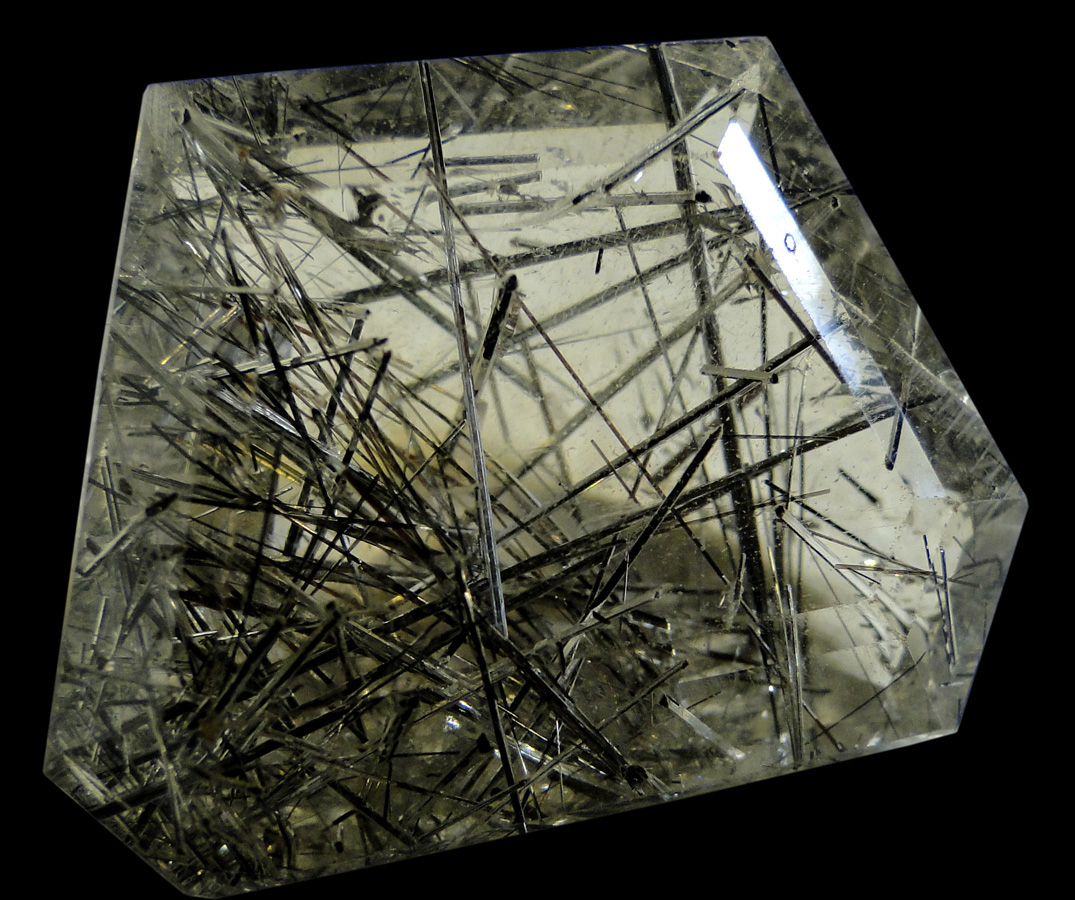
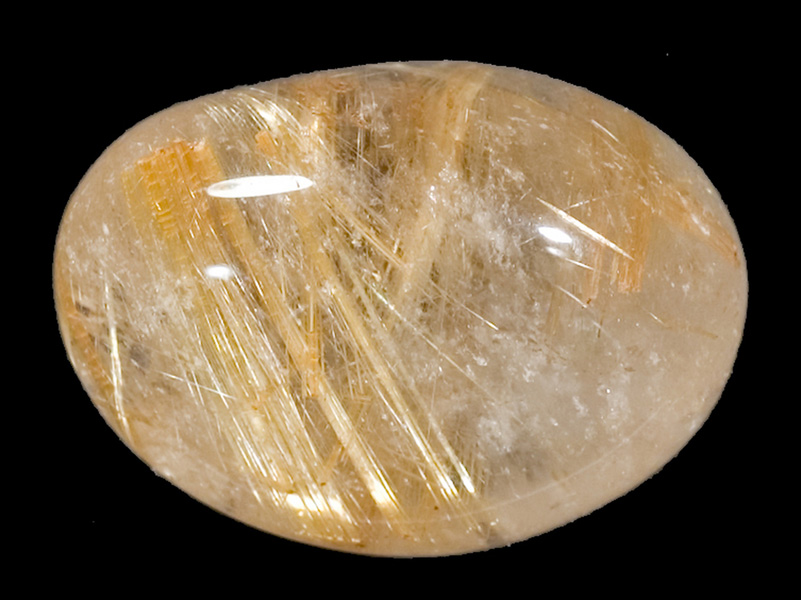
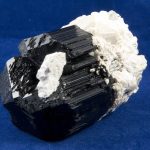
Quartz specimens with mineral inclusions are extremely common making attractive gemstones. “Rutilated quartz” or “sagenite”, popularly referred to as Venus-hair stone, is quartz with needle-like rutile crystals. These might be red, black or brassy yellow and also have a metallic lustre. “Tourmalinated quartz” has inclusions of black tourmaline, which form prismatic or needle like crystals. Opaque, metallic yellow inclusions of gold are present in specimens of “gold quartz”. Inclusions of silver can also be throughout quartz, often in branch like dendrites, and therefore are silvery grey or black, opaque and metallic. The iron minerals, goethite and pyrite, will also be found as inclusions. If cut in cabochon, quartz containing goethite may show the cat’s-eye effect.

Quartz with inclusions can be found in Madagascar, Brazil, South Africa, India, Sri Lanka, Germany and Switzerland.


Properties
Chemical Composition: 

Silicon dioxide

Crystal System / Forms: 

Trigonal

Hardness: 
7
Specific Gravity: 

2.65

Lustre: 
Vitreous
Refractive Index / Birefringence: 

1.54-1.55 / 0.009

Magnification: 

Rutile needles, tourmaline needles.

Cuts & Uses: 

RBC (Round Brilliant Cut), Bead, Cabochon, Cameo

Did you know?

Jewellery is one of the most bought products online. An estimated $1 billion USD of diamonds are bought annually via the Internet. Over 40 million people use the Internet to trade!

In Germany, the garland of ambers is hung around the necks of the infants, so that their teeth might come out without much trouble.

In Turkey, people fix a piece of amber in the hubble-bubble, dogged by an age old belief that the presence of the jewel would destroy all the germs and no disease would spread, even after many have dragged their puffs from it.

In Greece, people think if wine is poured into the cups made of amethyst, one does not get drunk after drinking that.

In Rome, a talisman having coral pieces is considered very auspicious to quell the bad spells of evil look. The Romans were in the habit of hanging chains made of ancient coral pieces from the cradle of the infants to protect them from evil effects.

In China, people wear rings studded with tiny conch or oyster shells as they believe it cures all aches such as stomach ache, worms and like.

In India, pendants made of silver and studded with pearls are hung from the necks of the children to save them from any bad effects.

Greeks still believe, if women wear blue sapphires then no sense of immorality would pollute their mind nor can any fear of the supernatural can trouble them.

The Pope Innocent III had circulated an order asking all the priests wear blue sapphire, so that morality can be strengthened.

It is said about turquoise, that when the stone changes its color into yellow, it actually signals bad times to the person who wears it.

It is believed that a turquoise gifted to a friend or a lover turns his or her life into one of happiness and good luck.

Poll