Calcite

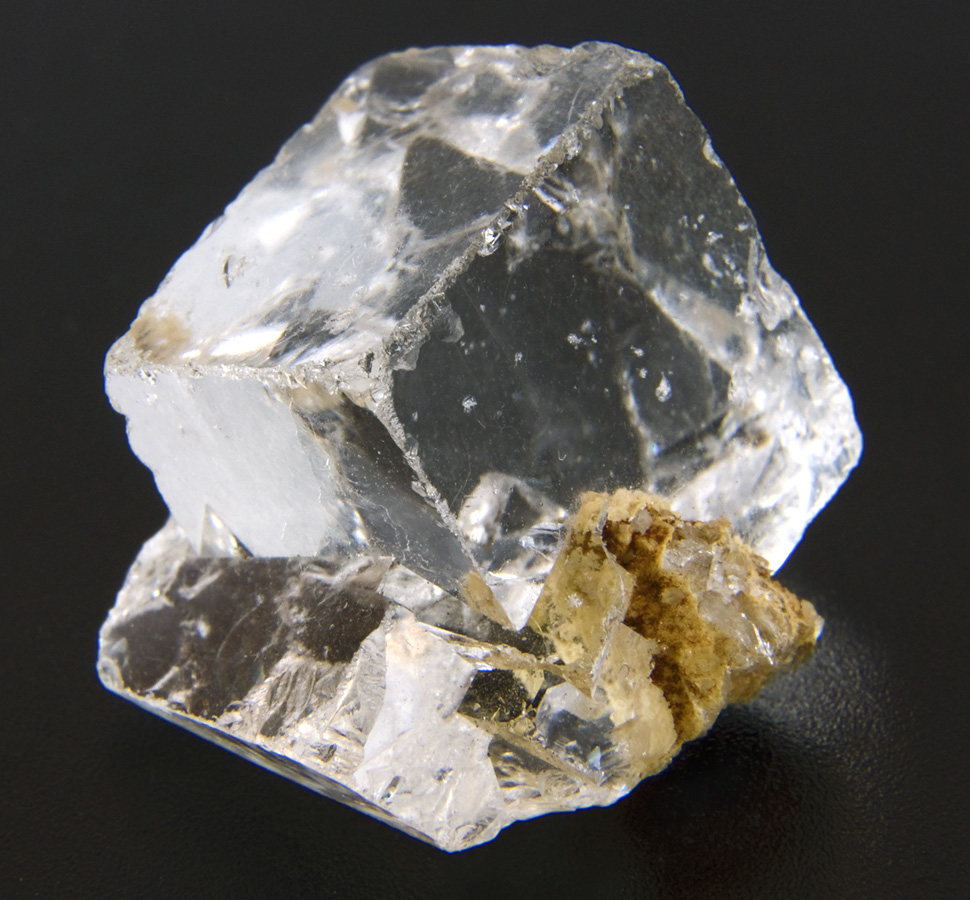
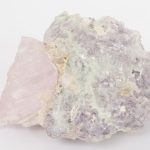
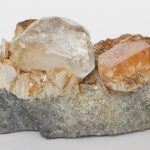
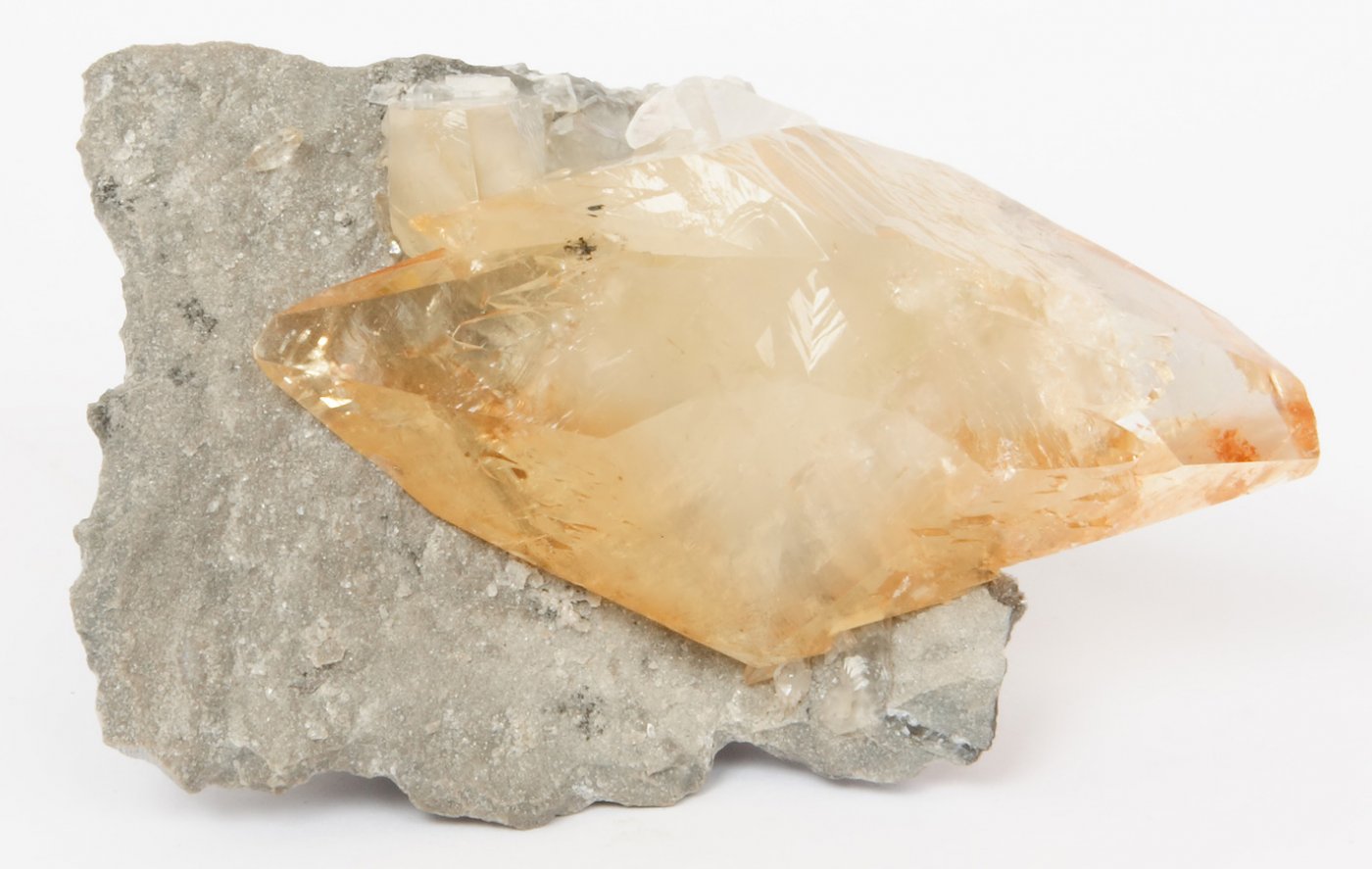
Rhombohedron Iceland Spar Calcite showing Doubling

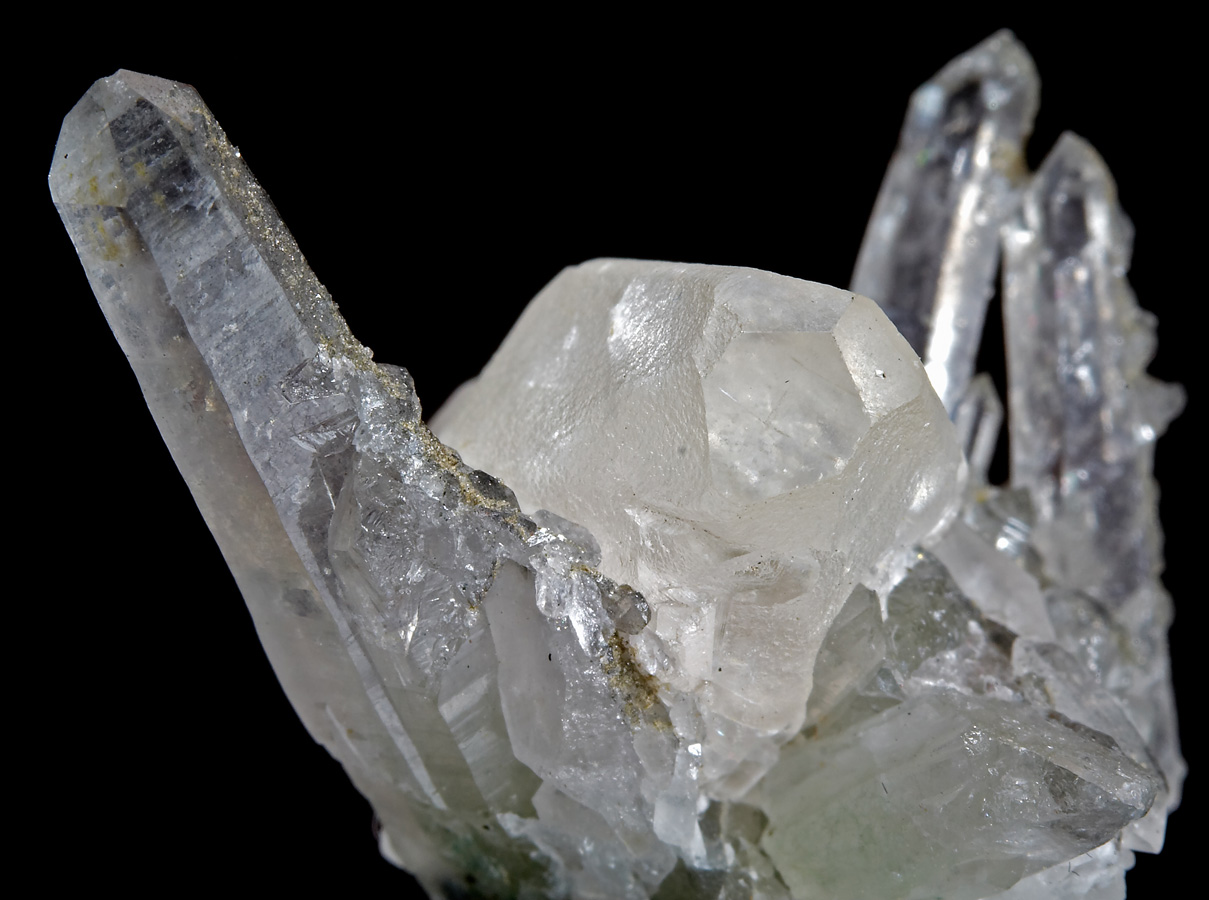
Calcite is a mineral named after its calcium content. It is one of the most common minerals found in abundance on the Earth. Iceland spar is a colorless variety of calcite, which is well known for its very strong doubling (double refraction).

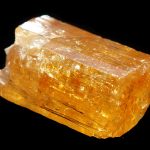
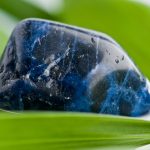
Due to the low hardness of calcite it is not sought as gem quality mineral as it is prone to scratch but still it is used as cabochons, facetted cuts and carvings in gem industry while it is also used in production of lime which is further used in steel and glass industry. The iridescent effect seen at cleavage cracks of calcite is also popularly known as rainbow effect in trade.

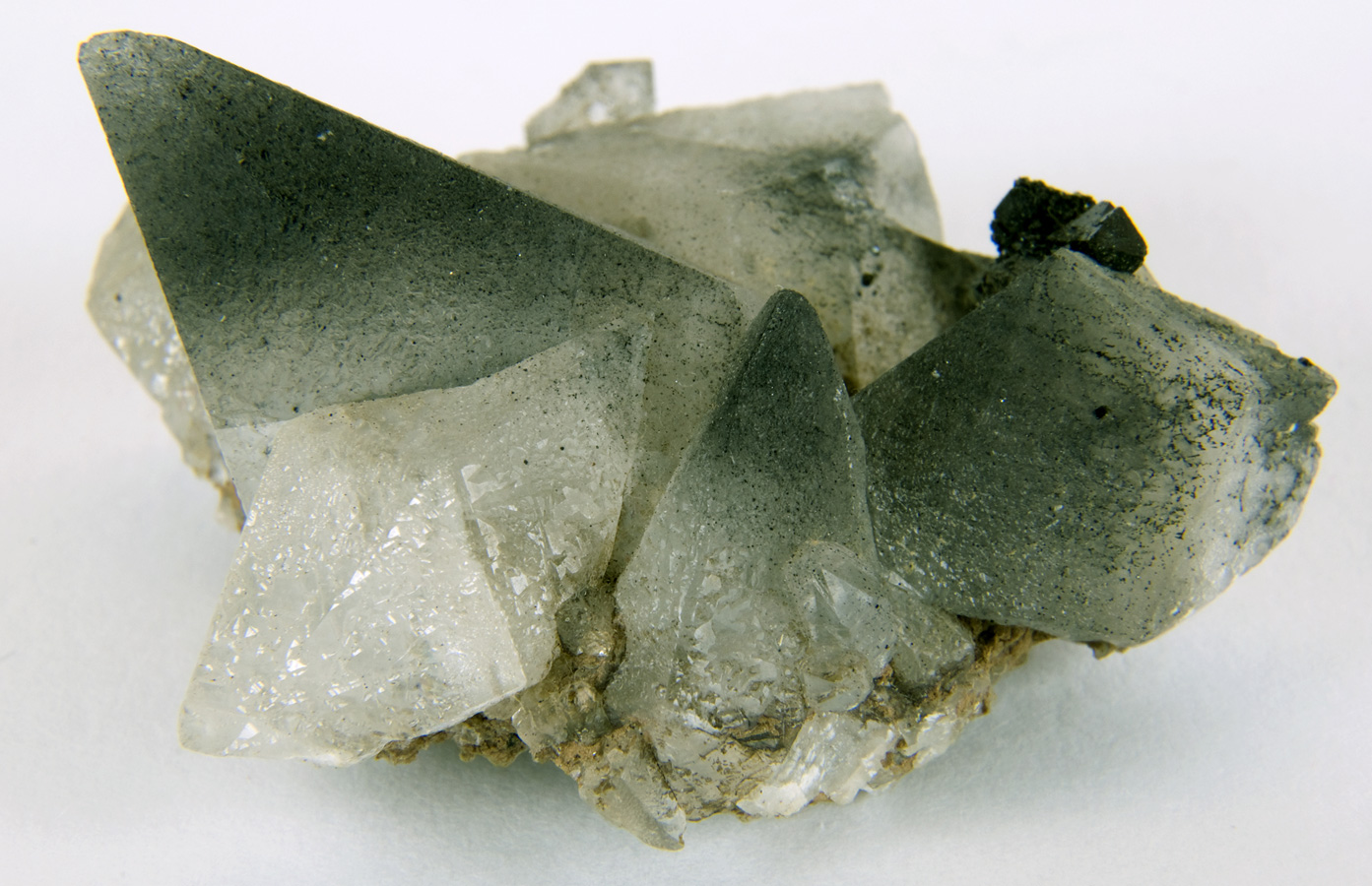
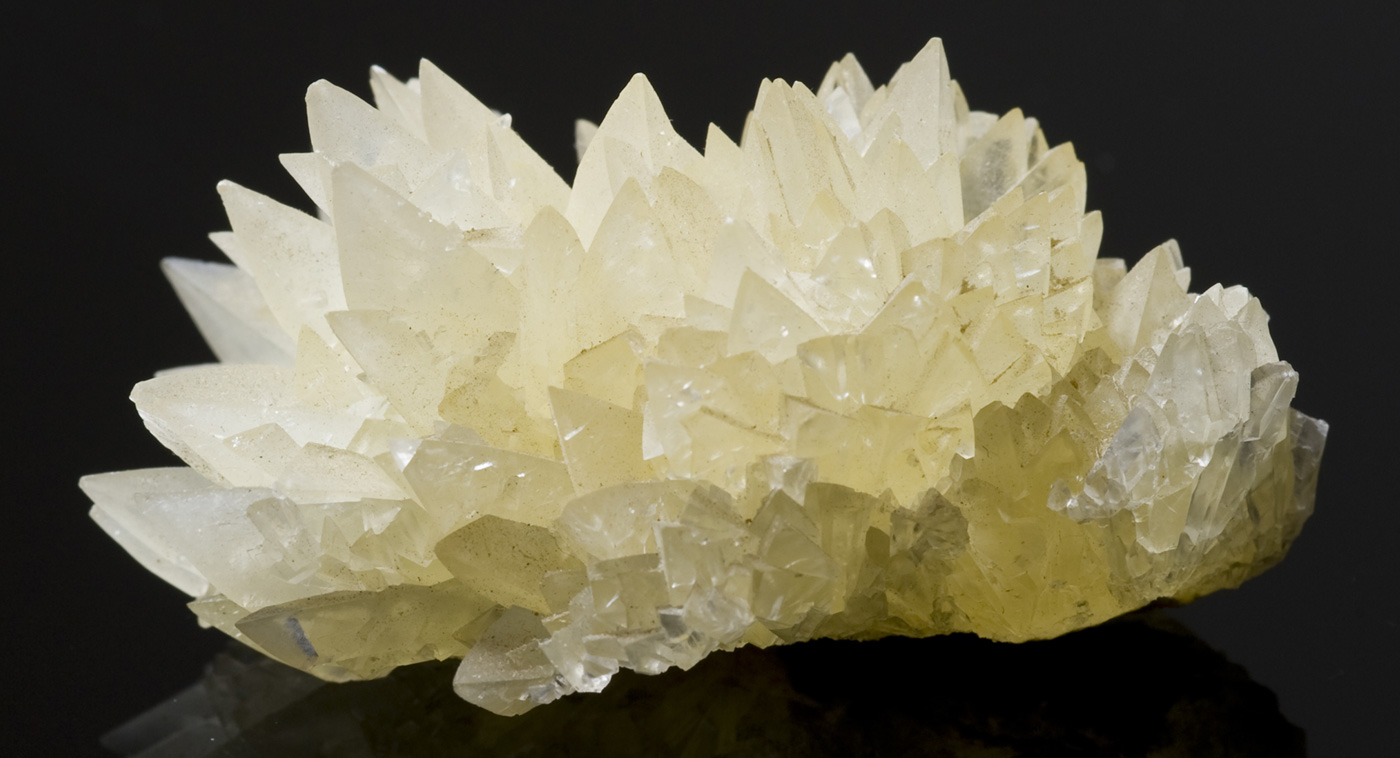
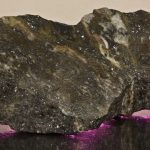
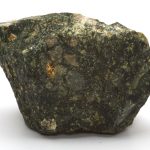
Calcite roughs are found in rhombohedron forms but due its perfect three directional rhombohedral cleavage and low hardness the calcite rough is cleaved within the ore or during the mining process, and does not show a complete rhombohedron. But while carefully examining it still can be figured out on a whole as a rhombohedron form.

Formation of Calcite

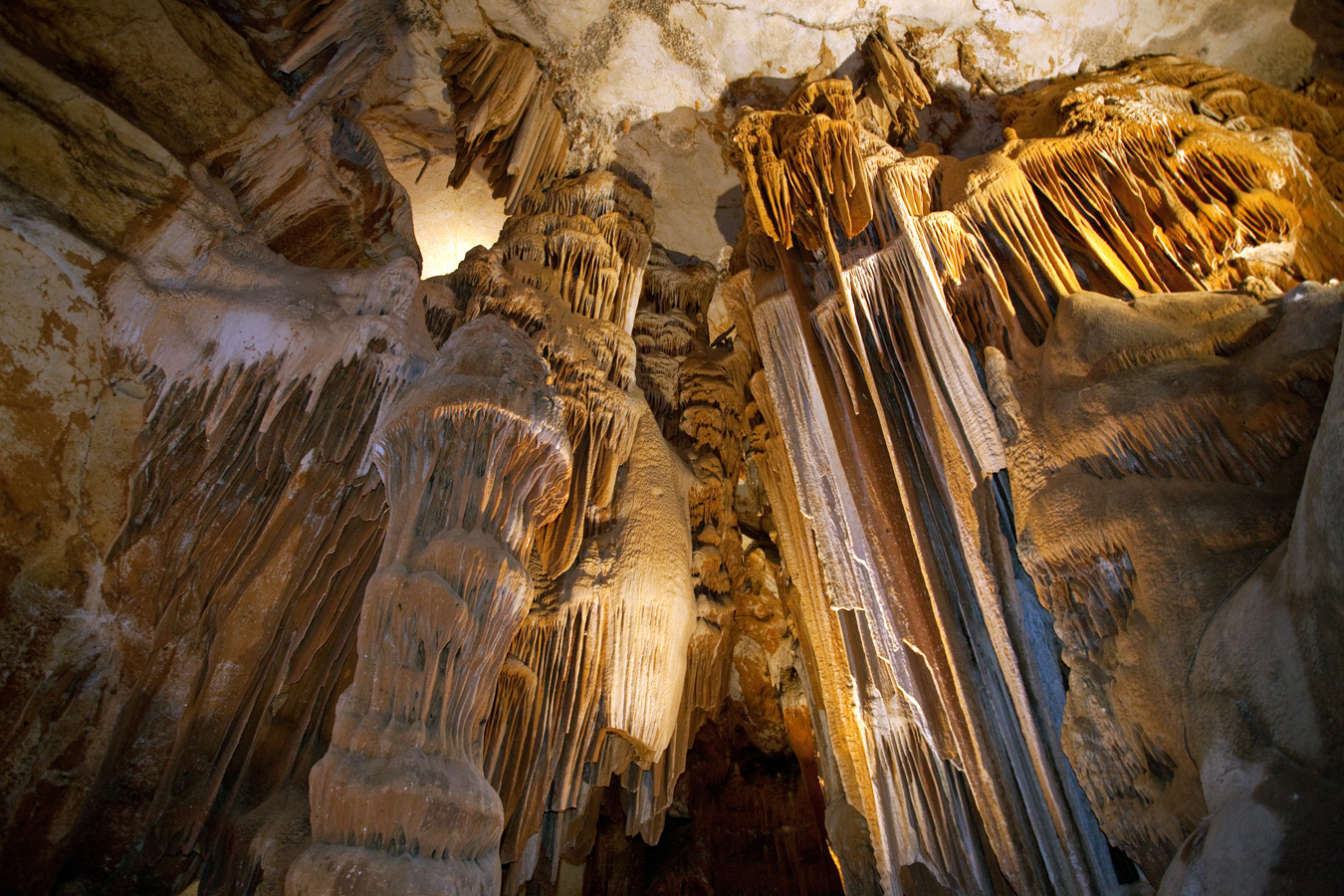
Formation of Calcite at Ogof Ffynnon Ddu, South Wales

It is calcite (calc - calk) that has been dissolved by the acidity in rain/water passing through limestone. It then drips from cave roofs and forms calcite straws which often become blocked and then form stalactites as the calcite forms around the outside of the straw. The water dripping from the straw or stalactite deposits calcite on the floor which becomes a stalagmite or flowstone if it runs at an angle. The red in the calcite is due to ironstone in that area.


Properties
Chemical Composition: 
CaCO3 + Mn, Zn, Fe, Co (may substitute for Ca). Dimorphous with aragonite.
Classification / Type: 
-
Colors / Varieties: 
  • Color:
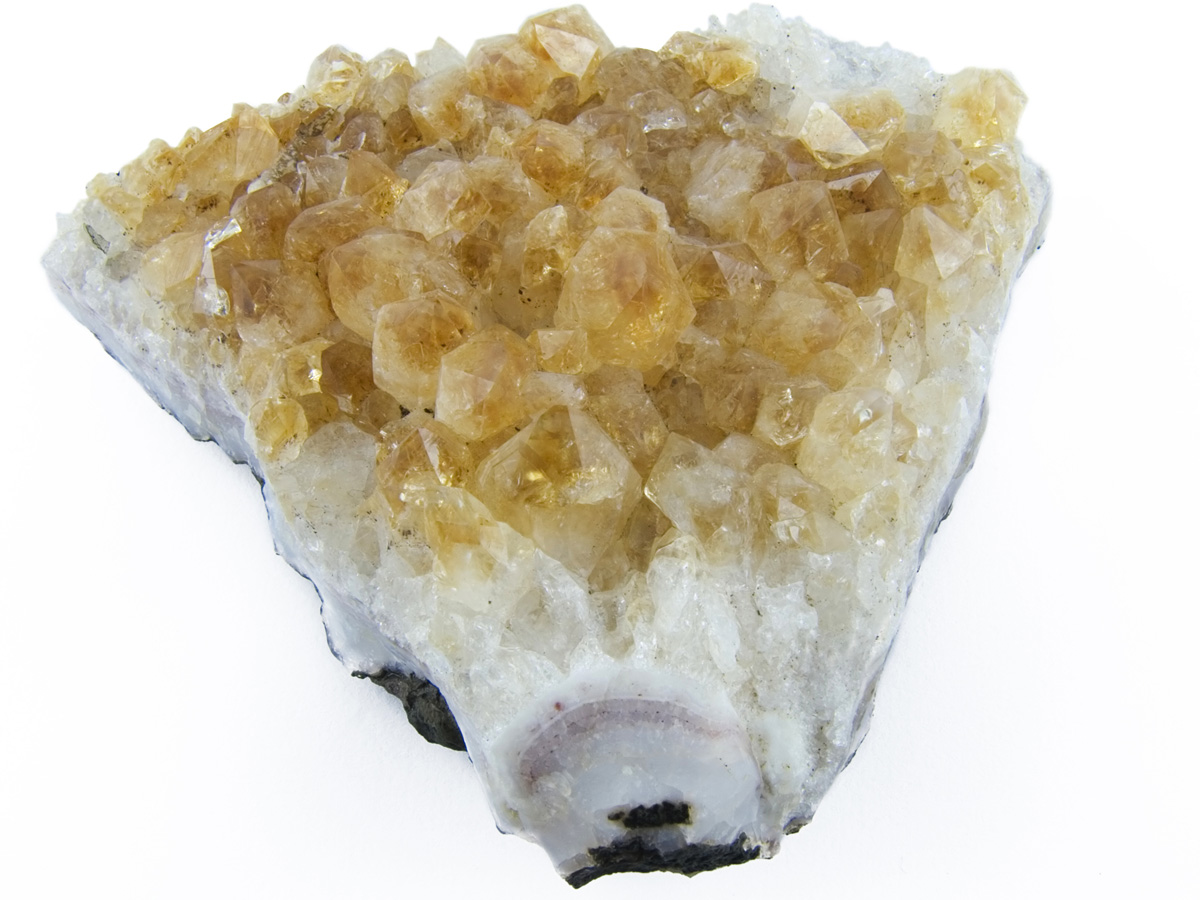
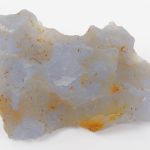
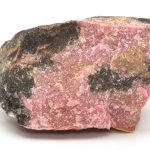
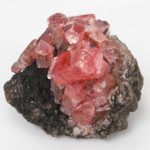
    • White, yellow, brown, pink, blue.
  • Varieties:
    • Iceland spar - Transparent (colorless).
    • Onyx marble - Transparent to opaque with irregular banded patterns.
    • Satin Spar - Aggregate made up of fibrous crystals.
Crystal System / Forms: 
Trigonal System / Varied forms, rhombohedron, scalenohedron, contact and repeated twinning.
Hardness: 
3
Specific Gravity: 
2.58 - 2.75 (2.71 mean)
Cleavage / Fracture: 
Perfect 3 directional rhombohedral cleavage / Uneven
Optic Character: 
Anisotropic (D.R.); Uniaxial negative.
Lustre: 
Vitreous.
Refractive Index / Birefringence: 
1.486 - 1.658 / 0.172 (strong birefringence blink in cabochons)
Pleochroism: 
None to weak.
Dispersion: 
0.017
Magnification: 
3 directional cleavage cracks, very strong doubling of facets and inclusions, iridescent effect at cleavage cracks, fingerprints and crystal inclusions.
U.V. Fluorescence: 
Variable, generally pink under longwave.
Spectrum: 
Not characteristic.
Cause of Color: 
Impurities.
Treatment (Enhancement): 
  • Colorless Impregnation is used incase of a colorless and white fractured or cracked calcite. Generally colorless oil, resin, wax, as suitable, of the similar refractive index (R.I.) is used to disappear the cracks and fractures.
  • Colored Impregnation (dyeing) is used incase of a fractured or cracked colored calcite. Desired colored oil, resin, wax of the similar refractive index (R.I.) is used to fill up the cracks.
Due to high difference in R.I. range of calcite, the similar R.I. of oil, resin, wax that has been used in impregnation will not help to disappear the cracks or fractures completely.
Specific Tests & Remarks: 
Effervesces with cold hydrochloric acid.
Synthesis: 
None.
Simulants (with key separation tests): 
  • Banded chalcedony for onyx marble (R.I., birefringence)
  • Transparent calcite is a simulant for other natural gemstones like yellow beryl, sapphire, etc.
Geological Occurrence: 
Sedimentary limestone deposits (stalactites, stalagmites) veins, ore deposits.
Sources: 
England, Mexico, India, U.S.A. (California, Utah), Spain, Namibia, Russia.
Cuts & Uses: 
Facetted cuts, cabochon, carving, etc.

Did you know?

Jewellery is one of the most bought products online. An estimated $1 billion USD of diamonds are bought annually via the Internet. Over 40 million people use the Internet to trade!

In Germany, the garland of ambers is hung around the necks of the infants, so that their teeth might come out without much trouble.

In Turkey, people fix a piece of amber in the hubble-bubble, dogged by an age old belief that the presence of the jewel would destroy all the germs and no disease would spread, even after many have dragged their puffs from it.

In Greece, people think if wine is poured into the cups made of amethyst, one does not get drunk after drinking that.

In Rome, a talisman having coral pieces is considered very auspicious to quell the bad spells of evil look. The Romans were in the habit of hanging chains made of ancient coral pieces from the cradle of the infants to protect them from evil effects.

In China, people wear rings studded with tiny conch or oyster shells as they believe it cures all aches such as stomach ache, worms and like.

In India, pendants made of silver and studded with pearls are hung from the necks of the children to save them from any bad effects.

Greeks still believe, if women wear blue sapphires then no sense of immorality would pollute their mind nor can any fear of the supernatural can trouble them.

The Pope Innocent III had circulated an order asking all the priests wear blue sapphire, so that morality can be strengthened.

It is said about turquoise, that when the stone changes its color into yellow, it actually signals bad times to the person who wears it.

It is believed that a turquoise gifted to a friend or a lover turns his or her life into one of happiness and good luck.

Poll